
Psychiatric Hats is a fast-paced educational card game that helps students and healthcare professionals recognise, recall and discuss psychiatric signs and symptoms through active, team-based learning.
Perfect for tutorials, revision sessions and classroom teaching, the game transforms essential psychiatric terminology into an engaging challenge that's both educational and enjoyable.
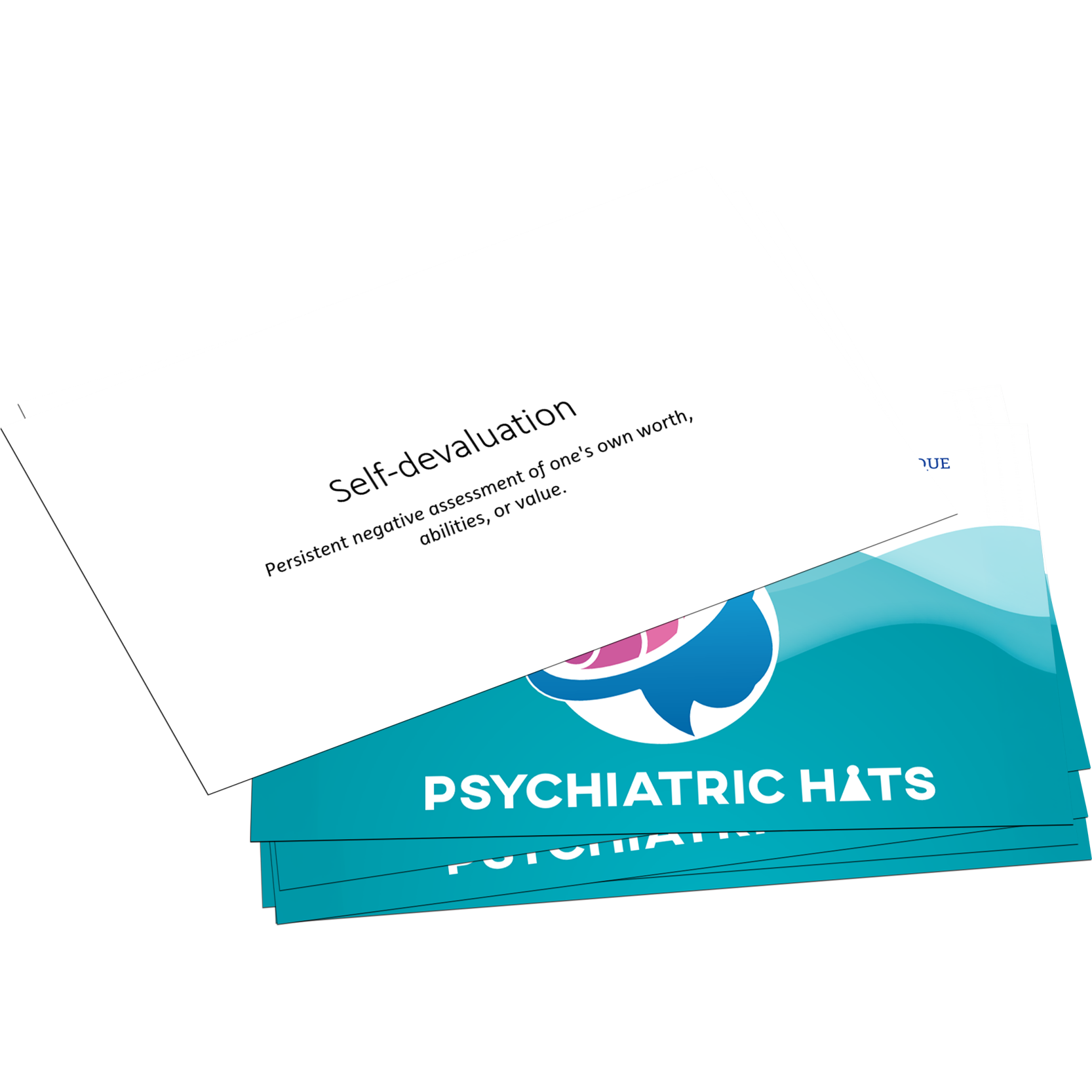
Psychiatric Hats transforms psychiatric semiology into a fast-paced team challenge that helps players recognise, recall and discuss important psychiatric signs, symptoms and clinical concepts.
By revisiting the same cards across three increasingly challenging rounds, players strengthen memory, improve communication skills and build confidence using psychiatric terminology in clinical discussions. As players are repeatedly challenged with desrcibing the term on each card in different ways, they reinforce their own understanding of the term develop more effective ways of communicating that understanding to others.
Psychiatric Hats is ideal for:
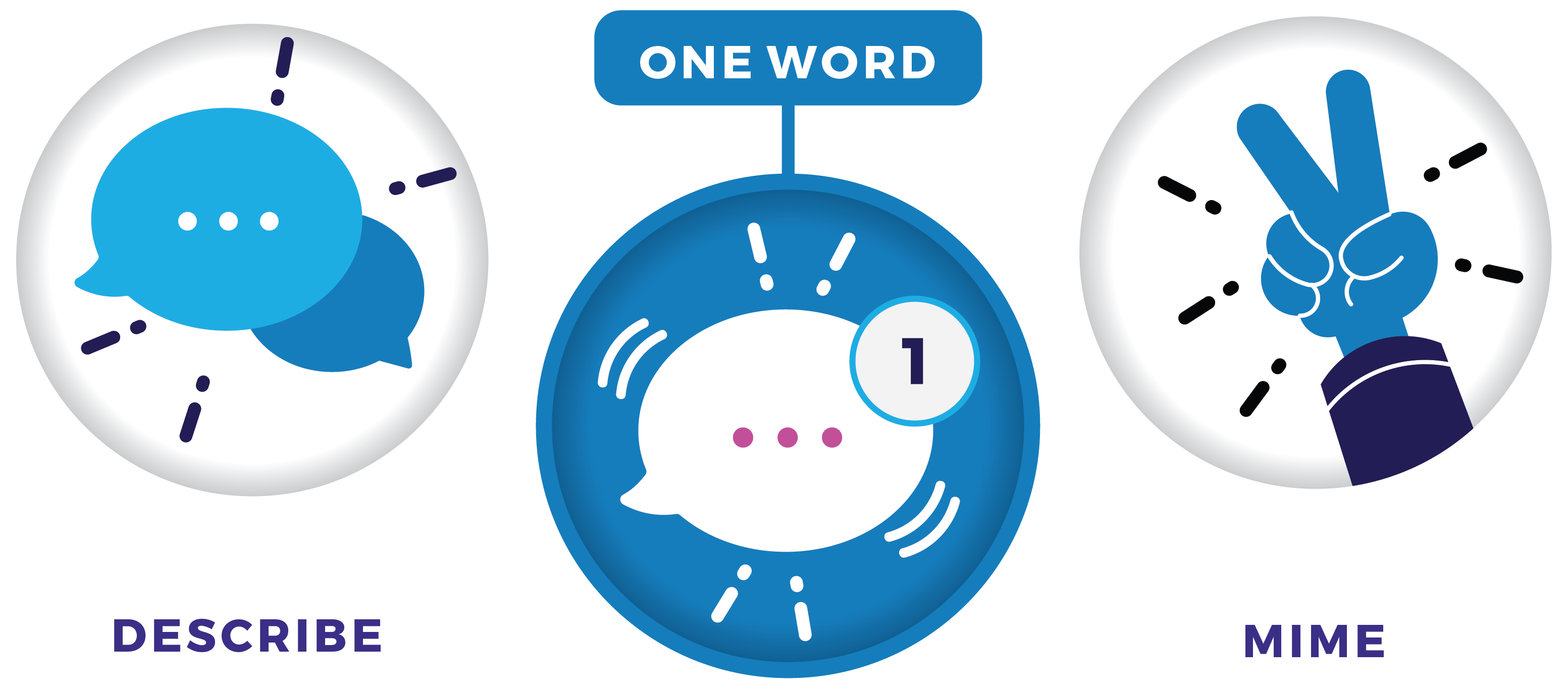
Using the same deck of cards, teams compete across three increasingly challenging rounds. Each round encourages players to think about the same psychiatric concepts in a different way, reinforcing learning through repetition and recall.
Describe the psychiatric term using any words except the answer itself.
Give just one word as your clue.
Act out the term using gestures, facial expressions and body language only.
The team with the highest total score wins.
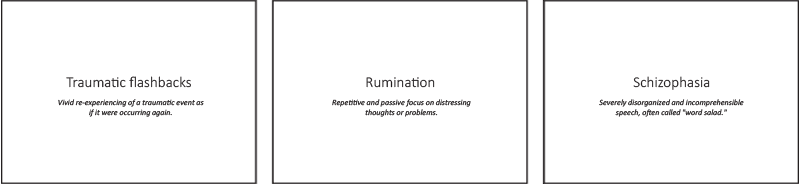
Cards feature psychiatric signs, symptoms and clinical terminology commonly encountered in mental health practice.
Educational games create an enjoyable learning environment that encourages participation and active recall.
In a study involving 144 medical students, over 99% agreed that Psychiatric Hats was enjoyable, while the vast majority felt it helped them better understand and remember psychiatric semiology.
Players: 2-12
Teams: 2
Rounds: 3
Play Time: 20–40 Minutes
Cards: 63
Students didn’t just enjoy the game — their knowledge scores improved:
(Results from a study of 144 third-year medical students.)
Improvement in knowledge scores immediately after playing.
Improvement in knowledge scores still evident three months later.
These improvements were statistically significant.
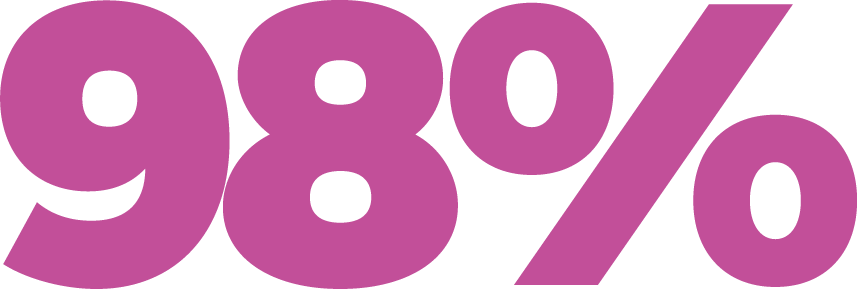
found the game enjoyable

improved understanding
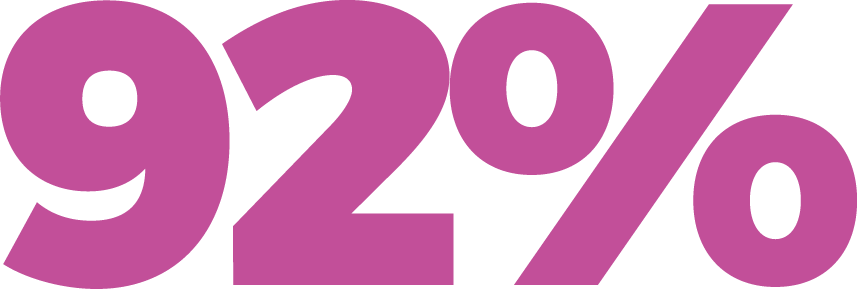
helps with revision
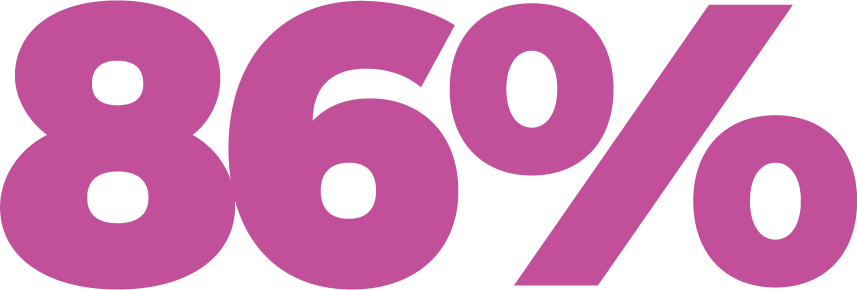
more motivated to learn
found the game enjoyable
improved understanding
helps with revision
more motivated to learn
The Psychiatric Hats Game has even been evaluated in a medical education study involving third-year medical students.
The results show that students did better with their exams after playing the game, and that their improved knowledge was retained 3 months later.
Participants demonstrated significantly improved knowledge immediately after playing, retained higher scores three months later, and overwhelmingly reported that the game was enjoyable, motivating and useful for revision.
The figure opposite shows the distribution of students’ knowledge score. X axis: scores obtained in MCQs; Y axis: absolute number of students within each subset.
a. Distribution of students’ knowledge score before (light grey) and just after (blue) the Psychiatric Hat Game (PHG).
b. Distribution of students’ knowledge score before (light grey) and 3 months after (blue) the Psychiatric Hat Game (PHG).
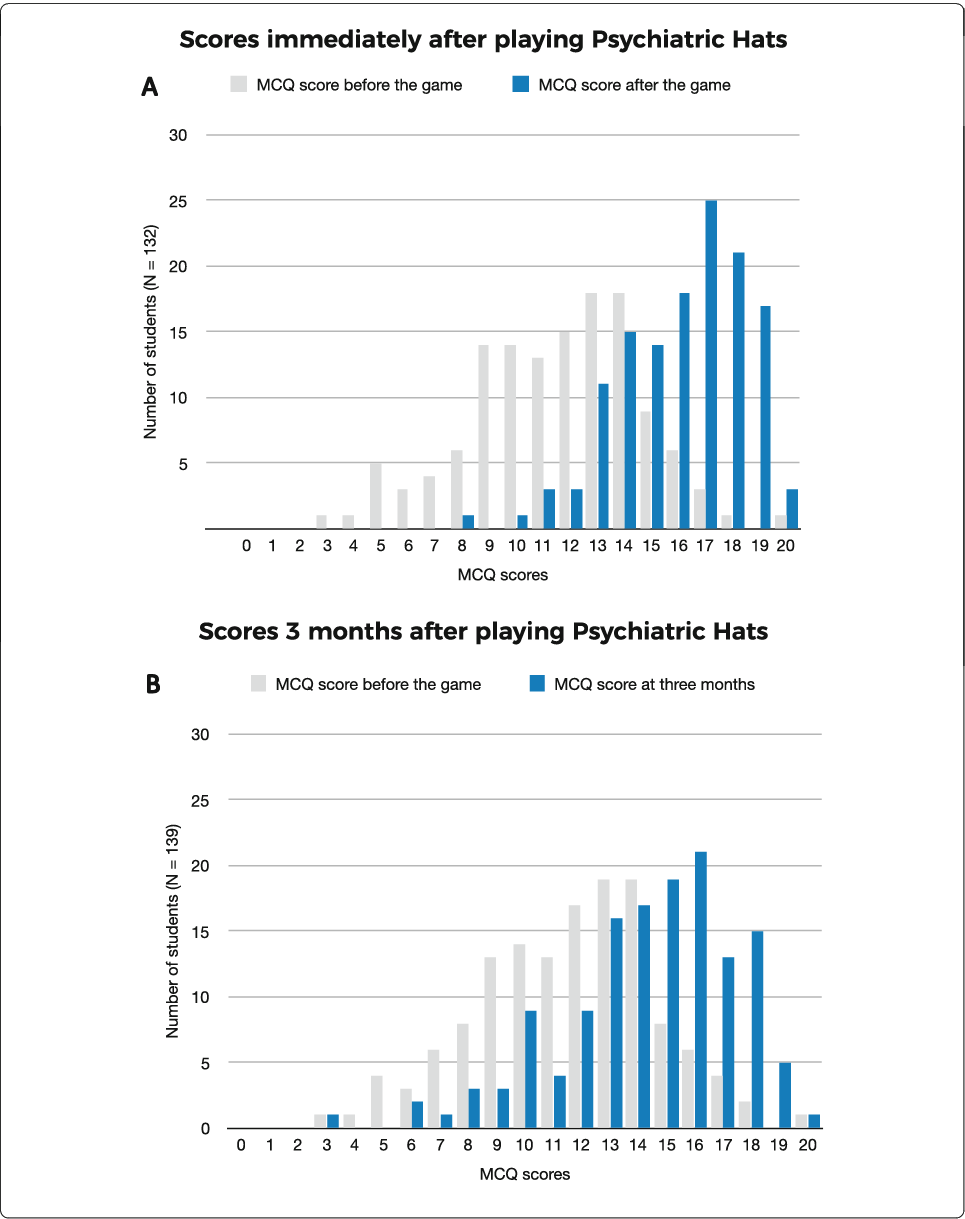
Figure 2. Adapted from Clément A, Delage R, Chollier M, et al. (2020). Prospective study on a fast-track training in psychiatry for medical students: the psychiatric hat game. BMC Medical Education, 20, 373. https://doi.org/10.1186/s12909-020-02304-0 .
Whether you're teaching a class, leading a revision group or preparing for exams, Psychiatric Hats offers a fun and effective way to build confidence in psychiatric semiology.
Buy Now